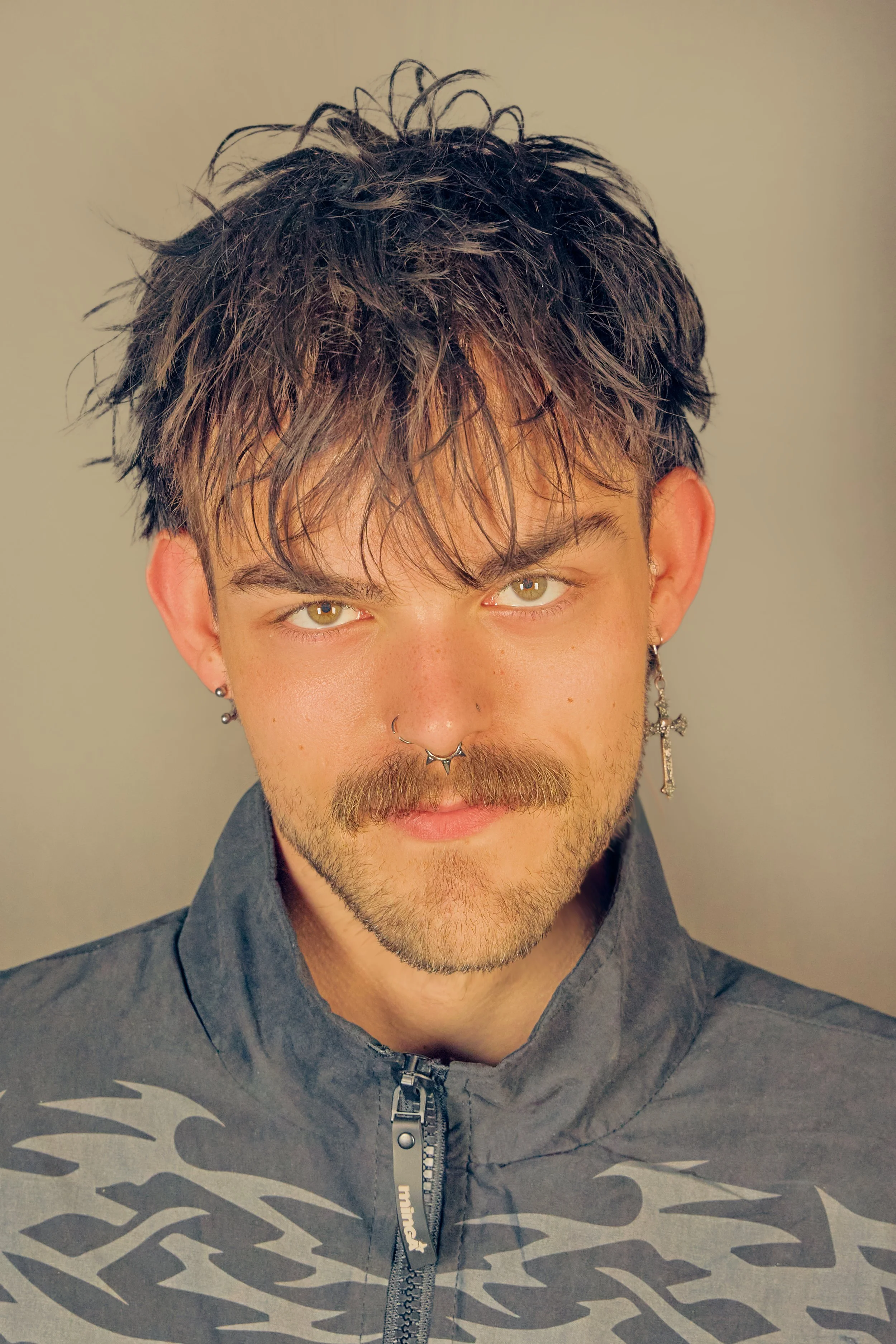
A fleeting moment in front of Solingen’s historic Rathaus: a red car cuts through the frame, adding a burst of motion and modernity against the calm, enduring presence of the old architecture.The building stands with quiet authority—ornate details, aged stone, and a sense of permanence that contrasts sharply with the passing vehicle. The red paint catches the eye instantly, turning an everyday street scene into something cinematic, where past and present intersect for just a second.It’s this contrast that defines the image: history standing still, while life continues to move right past it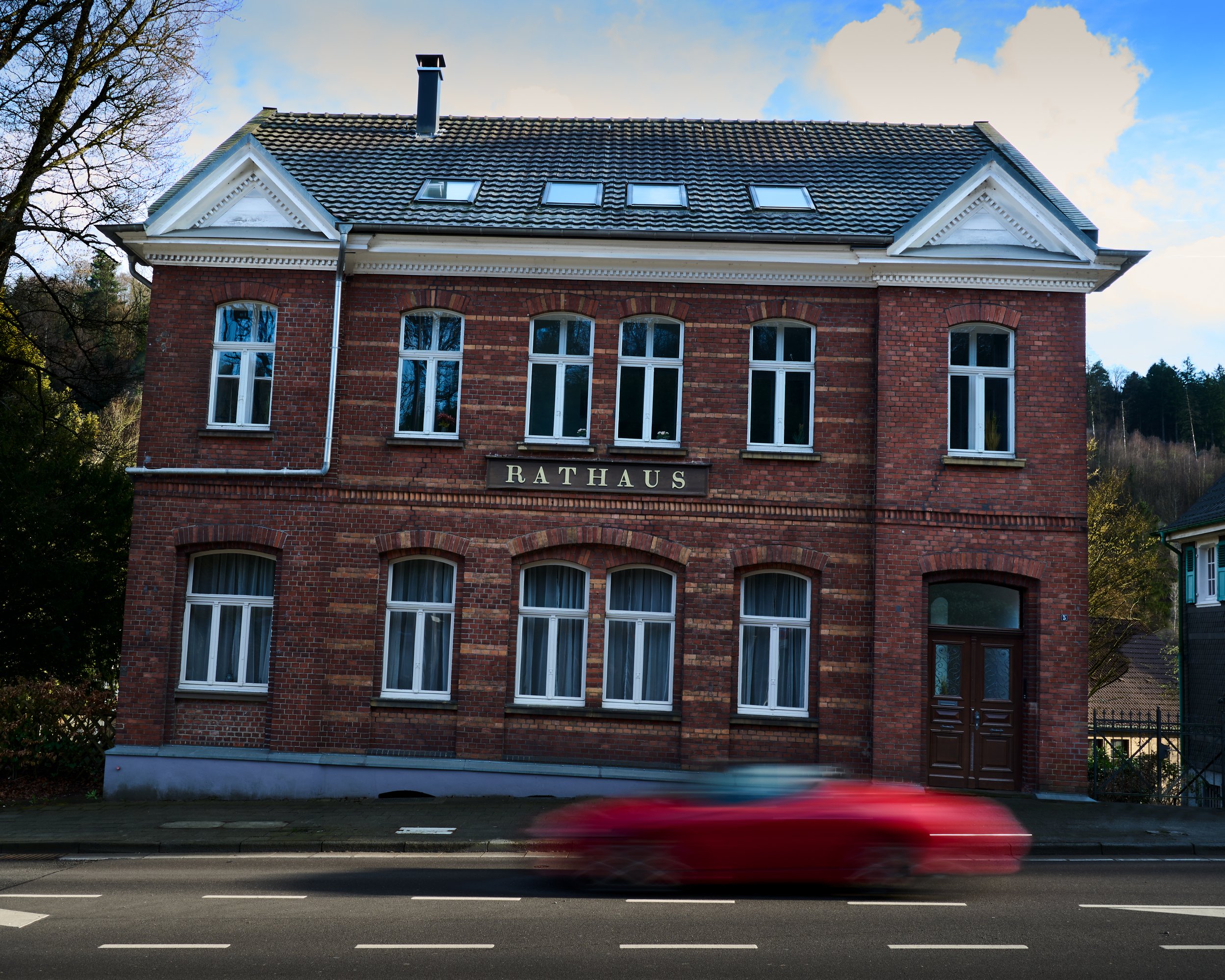
Fotograf
Grafik Designer
Illustrator
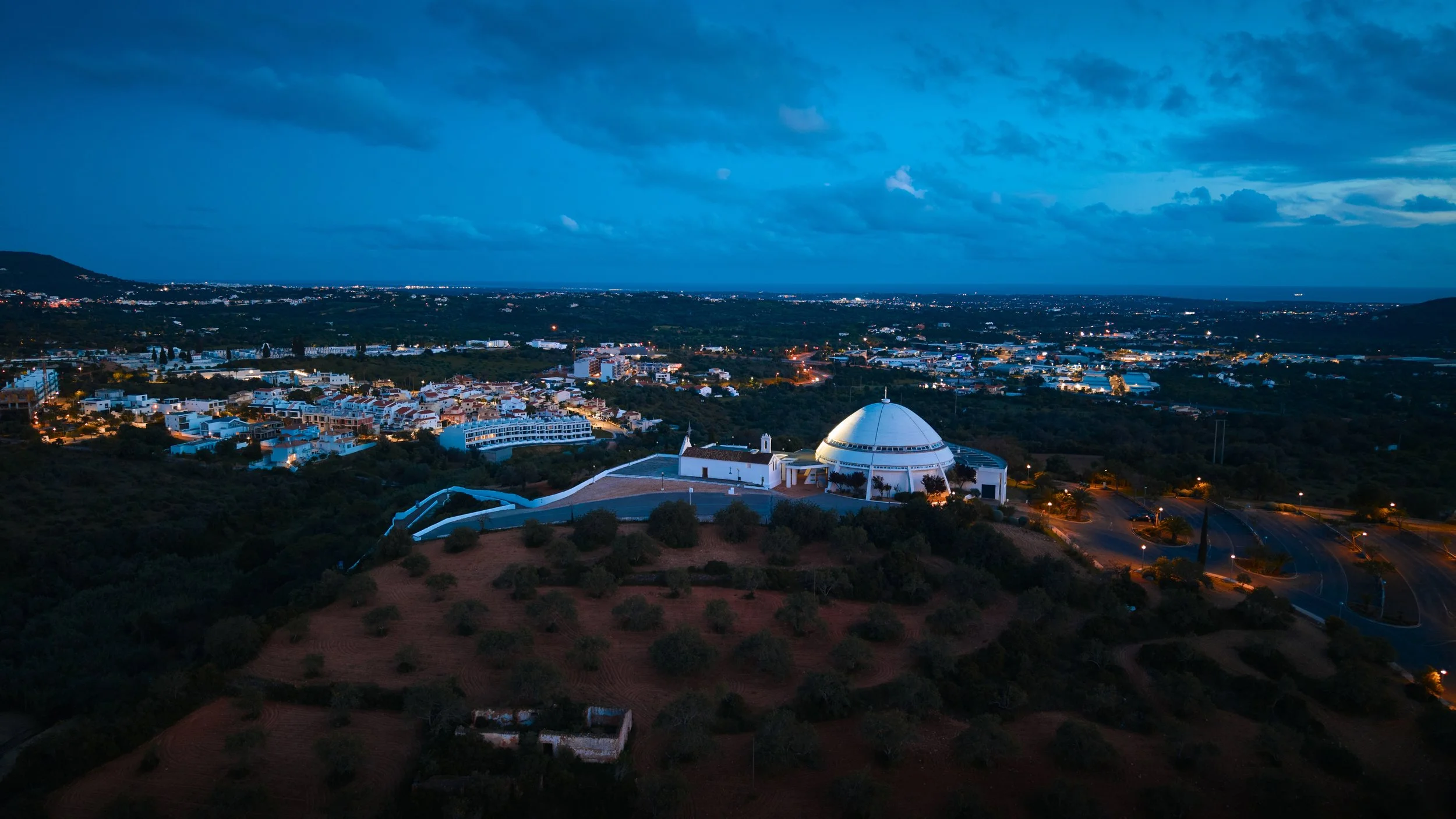
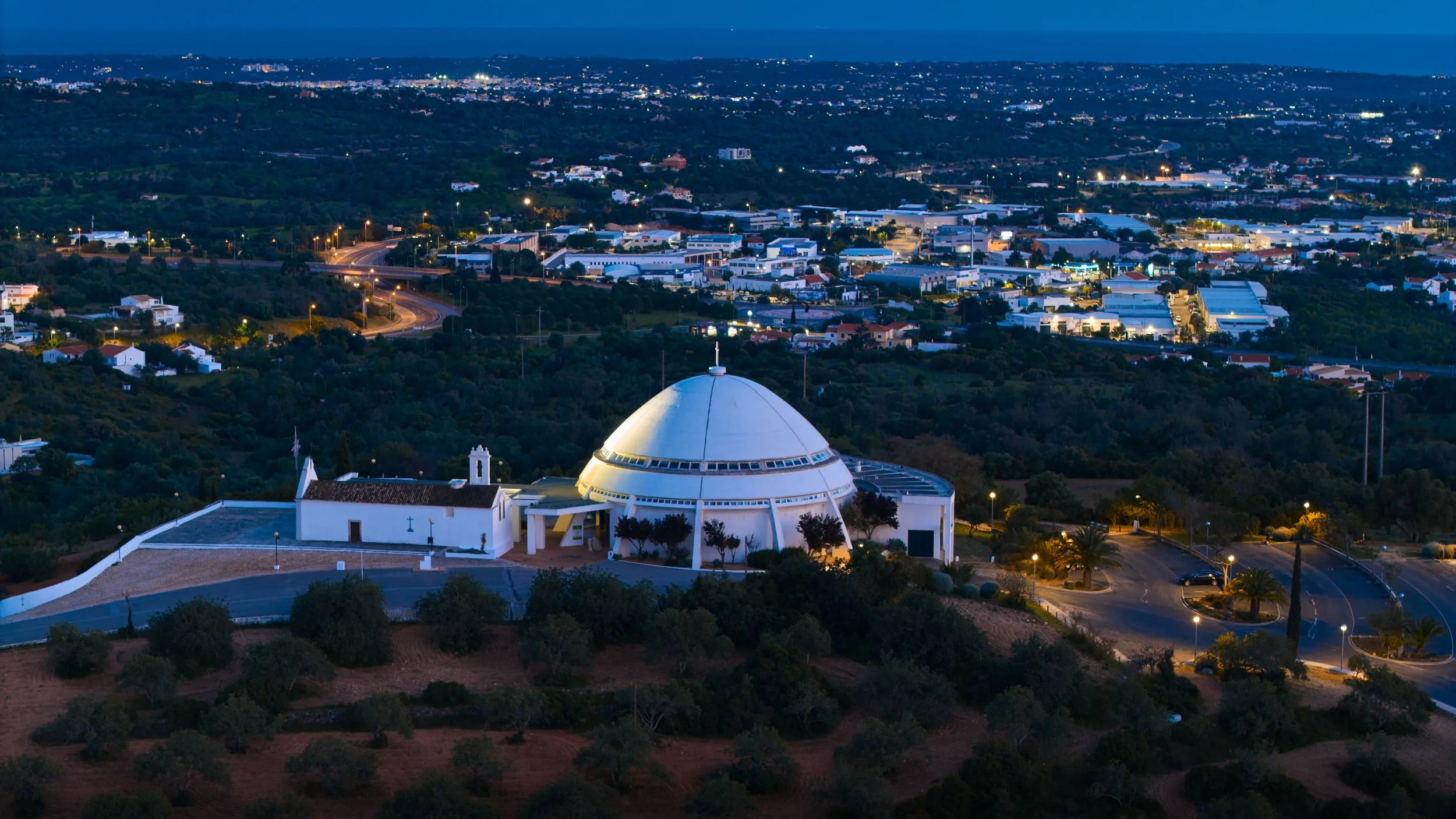
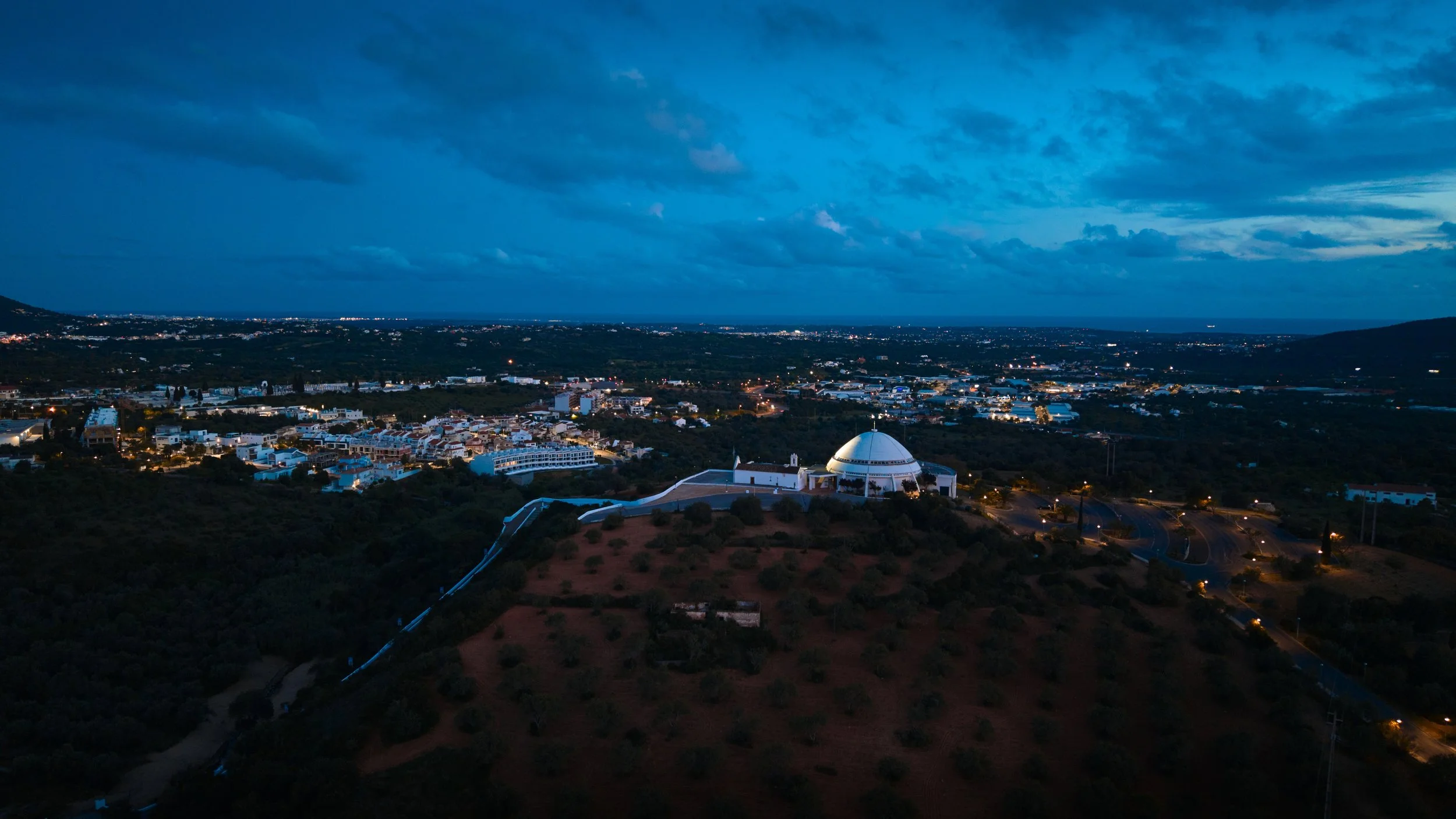
Along the coast of the Faro, the days felt endless, but it was the nights that stayed with me. I arrived with a camera, a DJI Air 3S, and a simple intention — to capture the coastline from above. What I didn’t expect was how much the experience would shift once the sun disappeared.
But as evening settled in, everything changed.
The coastline emptied. The wind softened. Light became scarce, selective, and intentional. Instead of wide, descriptive frames, the focus shifted toward atmosphere. That’s when I started looking beyond the obvious — moving inland, searching for something that carried the same sense of presence as the ocean.
It wasn’t dramatic in scale, but it didn’t need to be. Under artificial light and a dark sky, it carried a completely different energy than the coastline. The structure felt still, grounded, untouched by the movement that defined the ocean just hours before. Capturing it at night required patience — slower movements, careful framing, and an awareness of light that’s easy to overlook during the day.
From above, the scene transformed again. The drone revealed isolation, symmetry, and contrast — a single illuminated subject surrounded by darkness. It became less about documenting a location and more about translating a feeling. The kind of image that doesn’t rely on detail alone, but on mood, silence, and space.
What started as a simple trip to capture coastal imagery became something more layered. A study of light at different times, of how perspective changes meaning, and of how even familiar locations can feel completely different when approached with intention.
This is not just a collection of images. It is a visual record of movement, observation, and timing — shaped by the Faro coast, and defined just as much by what happens after the sun goes down.
A cinematic drone journey along the coast of Faro, where golden cliffs meet the endless Atlantic. Waves carve patterns into the shoreline as hidden beaches and rugged formations reveal themselves from above. From calm turquoise waters to dramatic coastal textures, this montage captures the raw beauty and rhythm of southern Portugal.
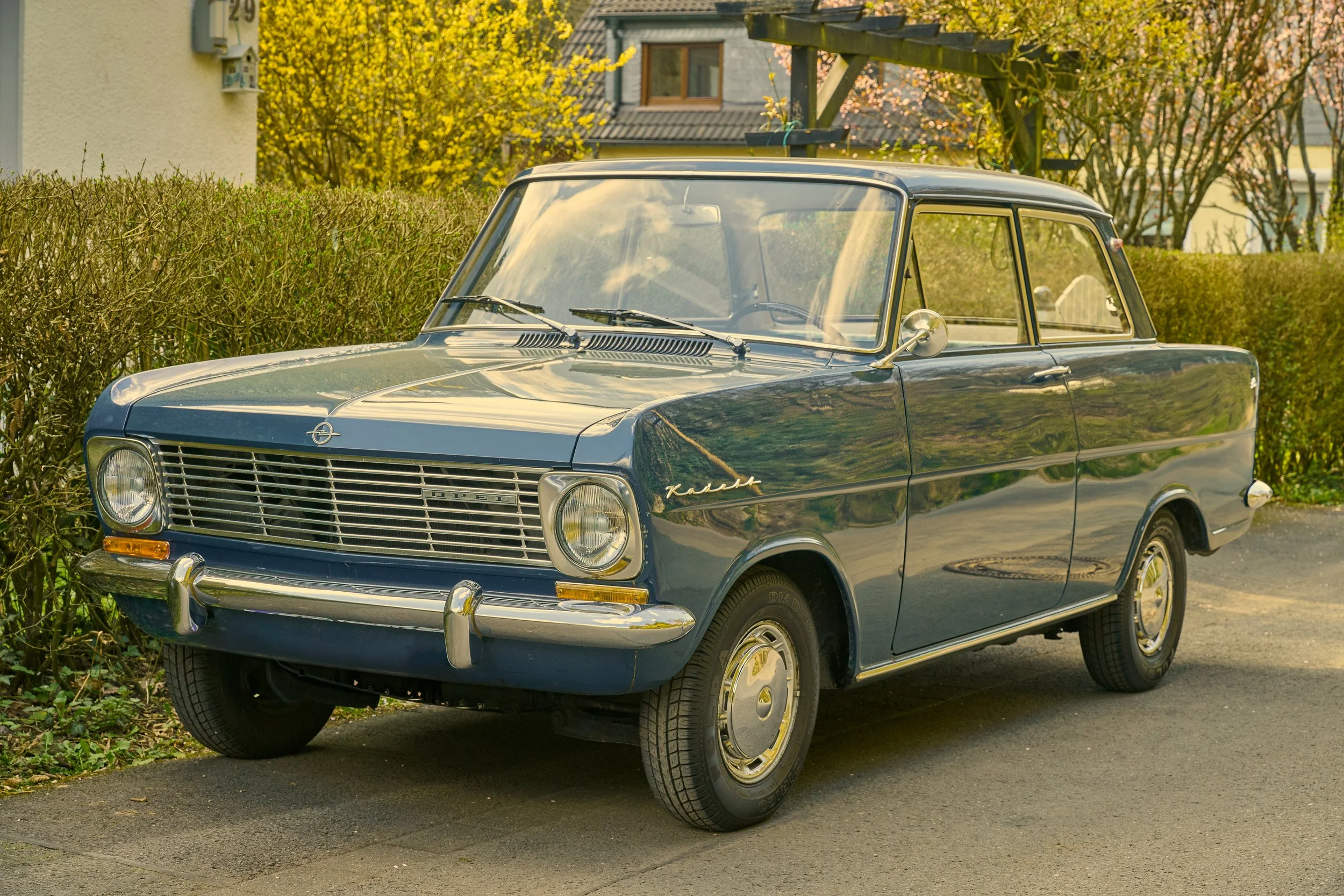
At the edge of Solingen, where industrial heritage meets quiet countryside, this scene captures a rare piece of German history: a traditional old building standing beside one of the region’s last surviving two-person chairlifts, just moments from the iconic Müngstener Brücke.The weathered textures of the house reflect decades of life and craftsmanship, while the nearby lift—slow, mechanical, almost forgotten—adds a surreal contrast between past utility and present nostalgia. Suspended above the landscape, the chairs drift quietly through the air, offering a perspective that feels both timeless and slightly out of place in today’s fast-moving world.Together, these elements tell a story of Solingen beyond its reputation for steel—one of hidden corners, preserved relics, and a unique blend of nature and engineering that continues to shape the character of the region.A blue Opel rests quietly along a roadside in an old German village, where time seems to slow down. Surrounded by weathered buildings and narrow streets, the car blends past and present—its color still vibrant against the muted tones of the Dorf. A small moment of stillness, capturing both heritage and character in one frame.